Traditional work zone systems are designed to guide traffic and warn drivers—through signage, signals, and connected alerts. They help reduce risk before vehicles reach the work zone.
But when a driver doesn’t respond, workers are still exposed.
RoadDefender adds a real-time safety layer across the work zone—from incoming traffic at the perimeter to worker-equipment proximity awareness inside the zone.
Detects and classifies incoming hazards before they enter the active work zone.
Shares live safety intelligence across crews, supervisors, and connected devices so everyone sees the same risk picture.
Designed to monitor worker–equipment interactions inside the zone to reduce struck-by and close-call risk—in active field validation.
Together, these three layers extend real-time safety awareness beyond traffic alerts—from the perimeter through the active zone.
Edge-first work zone safety
RoadDefender adds a real-time safety layer to the work zone—detecting perimeter threats and delivering wearable alerts directly to workers. Inside-zone proximity monitoring between workers and equipment is designed for this environment and in active field validation.
Key proof: FDOT APL listed, Samsung wearable validated, and documented in live deployment references.
Proven in Live Work Zones
RoadDefender adds a real-time safety layer across the work zone—helping crews respond earlier at the perimeter, stay aligned through shared situational awareness, and reduce inside-zone proximity risk.
Traditional work zone systems are designed to guide traffic and warn drivers—through signage, signals, and connected alerts. They help reduce risk before vehicles reach the work zone.
But when a driver doesn’t respond, workers are still exposed.
RoadDefender is designed for that moment.
It detects approaching threats and sends alerts directly to workers through wearable devices—so they can react when it matters most.
What changes at the worker level
Traditional systems: warnings are sent toward traffic
RoadDefender: alerts are sent to the worker
RoadDefender protects crews through coordinated, real-time coverage—from perimeter traffic threats to inside-zone worker and equipment movement—so teams can act on the same live risk picture.
| Area | Traditional Systems | RoadDefender |
|---|---|---|
| System Role | Traffic management and driver awareness | Active worker protection and direct alerting |
| Alert Target | Drivers and traffic systems | Workers on the ground |
| Response Dependency | Depends on driver attention and compliance | Independent of driver behavior |
| Alert Delivery | Visual and indirect (signage, signals, notifications) | Direct (wearable alerts: vibration, visual, sound) |
| Timing of Protection | Before reaching the work zone | At the worker when risk is approaching |
| Worker Awareness | Indirect and line-of-sight dependent | Direct and immediate |
| Protection Gap | Limited if a driver does not respond | Designed for that exact moment |
Traditional systems help reduce risk.
RoadDefender helps protect workers when that risk reaches the job site.
RoadDefender processes safety intelligence at the edge to deliver low-latency awareness across perimeter, work zone, and proximity risk.
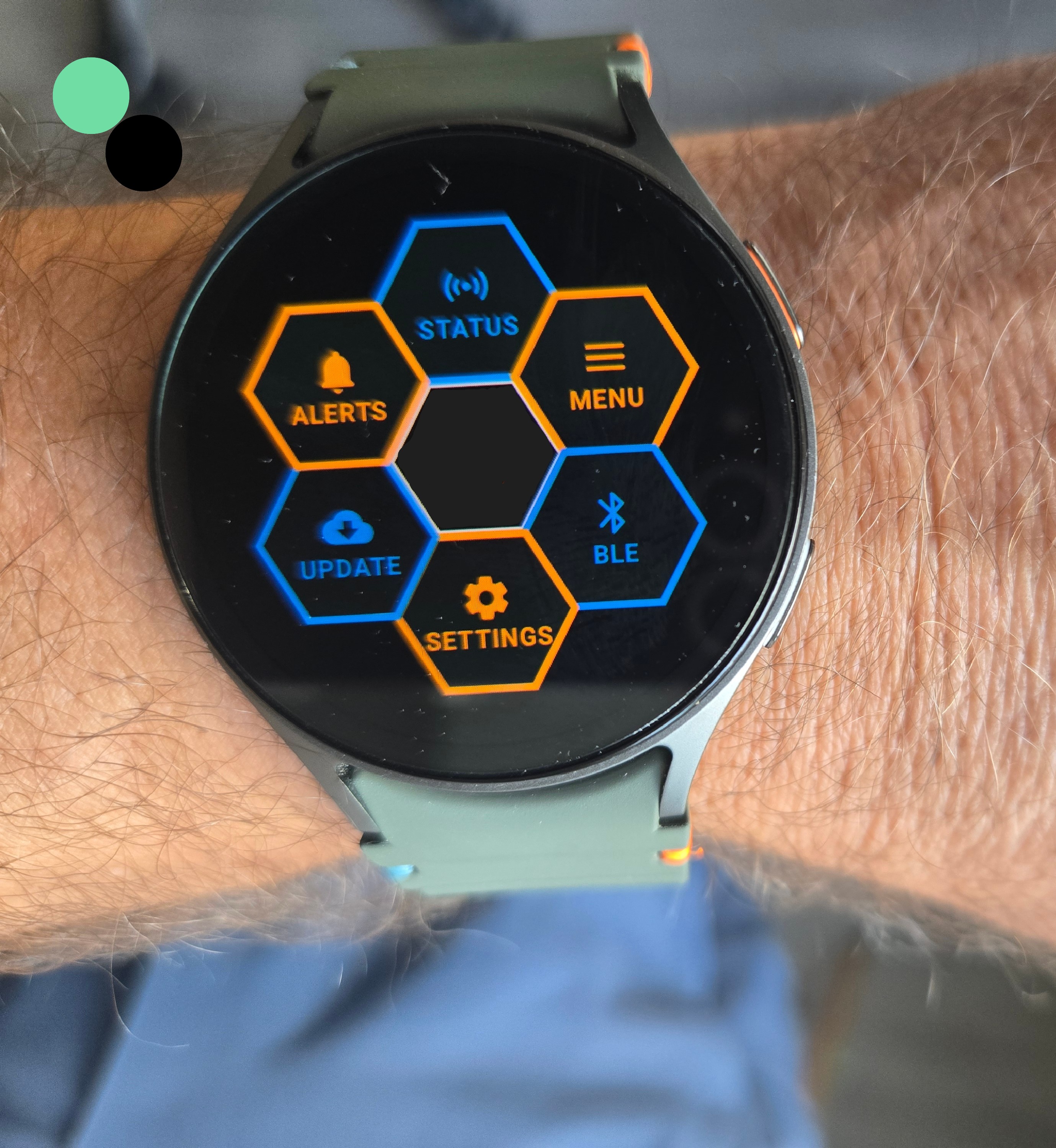
Samsung × RoadDefender × Ranger
Certifications, live deployments, and validated partnerships.
FDOT — SWIFTT Challenge Winner
Selected by the Florida Department of Transportation for work‑zone intrusion detection.
FDOT Approved Products List
Listed as a Work Zone Collision Detection and Avoidance System.
Samsung Wearable Integration
Multi‑sensory worker alerts delivered through Galaxy Watch wearables.
“RoadDefender isn't just technology—it's a lifeline for our roadside crews. The confidence it instills through timely, accurate warnings has made our job sites safer and more manageable.”
“The three guys had provided positive feedback while wearing the watches. Each of them heard and felt the alerts while working near the equipment and live traffic. The alerts—combined with visual and vibration cues—made a real difference in awareness and response.”
RoadDefender helps agencies and contractors improve response speed, coordination, and on-site decision quality through shared, real-time safety context.
Request a quote for an Early Access Deployment.